(RSF/IFEX) – On the eve of the 13th anniversary of Eritrea’s independence, on 24 May 2006, Reporters Without Borders appealed to President Issaias Afeworki to release all of his government’s prisoners of conscience, including 13 journalists being held incommunicado whose newspapers were shut down in a September 2001 crackdown. “Eritrea’s independence day is once again […]
(RSF/IFEX) – On the eve of the 13th anniversary of Eritrea’s independence, on 24 May 2006, Reporters Without Borders appealed to President Issaias Afeworki to release all of his government’s prisoners of conscience, including 13 journalists being held incommunicado whose newspapers were shut down in a September 2001 crackdown.
“Eritrea’s independence day is once again going to be ruined by the uncertainty surrounding the fate of the political prisoners,” the press freedom organisation said. “It is time President Issaias Afeworki realised that continuing to stifle a free press is disastrous for his country. There is no justification for ruling by means of repression and fear. Issaias must let his country breathe again by freeing the 13 journalists and other political prisoners and permitting the return of the privately-owned press.”
Eritrea headed down the dead-end of authoritarianism almost as soon as the independence war was over. The human rights situation is now disastrous and press freedom no longer exists. This young country’s intellectual elite, its newspaper editors and writers, were thrown in prison five years ago. Those who had the courage fled the country that many of them had fought for. The rest live in terror or in detention centres throughout the country.
As the second war with Ethiopia was ending in 2001, the independent press relayed the calls for democratisation coming from 15 senior ruling party members know as the “group of 15.” The government responded on 18 September 2001 by cracking down on the “group of 15” and “suspending” all of the privately-owned news media.
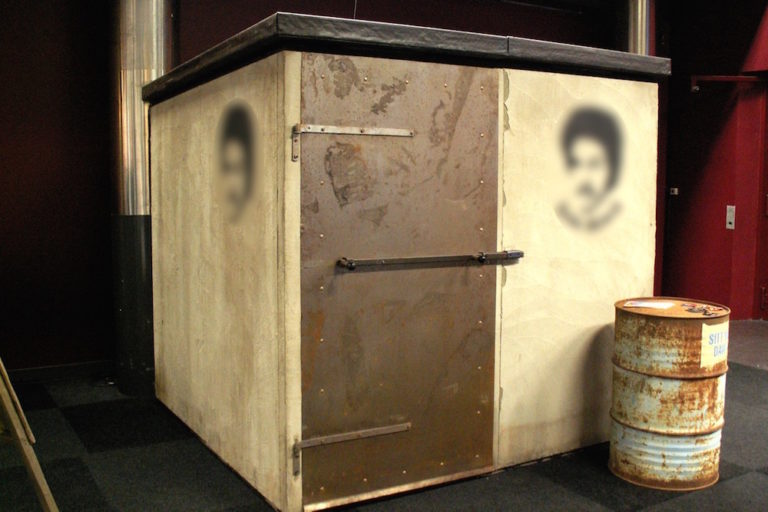
After staging a hunger strike in protest, 10 imprisoned journalists were transferred to other detention centres in April 2002, but it is not known where. According to Eritreans who have gone into exile after being imprisoned, they are being held in metal containers inside military camps. There has been no word of their fate for the past four years.
The ten journalists held since September 2001 are Yusuf Mohamed Ali, the editor of “Tsigenay”; Mattewos Habteab, the editor of “Meqaleh”, and his deputy, Dawit Habtemichael; Medhanie Haile, the deputy editor of “Keste Debena”, and Temesgen Gebreyesus, a member of Keste Debena’s board; Emanuel Asrat, the editor of “Zemen”; Dawit Isaac, who holds dual Eritrean and Swedish citizenship; poet and playwright Fessehaye Yohannes, from “Setit” newspaper; Said Abdulkader, the editor of “Admas”; and freelance photographer Seyoum Tsehaye.
Three journalists working for the state-owned broadcast media were arrested in January and February 2002. They are Hamid Mohamed Said and Saidia Ahmed of Eri-TV and Saleh Al Jezaeeri of the Voice of the Broad Masses radio station.